Amahlwayi, Magavhu and Magagada
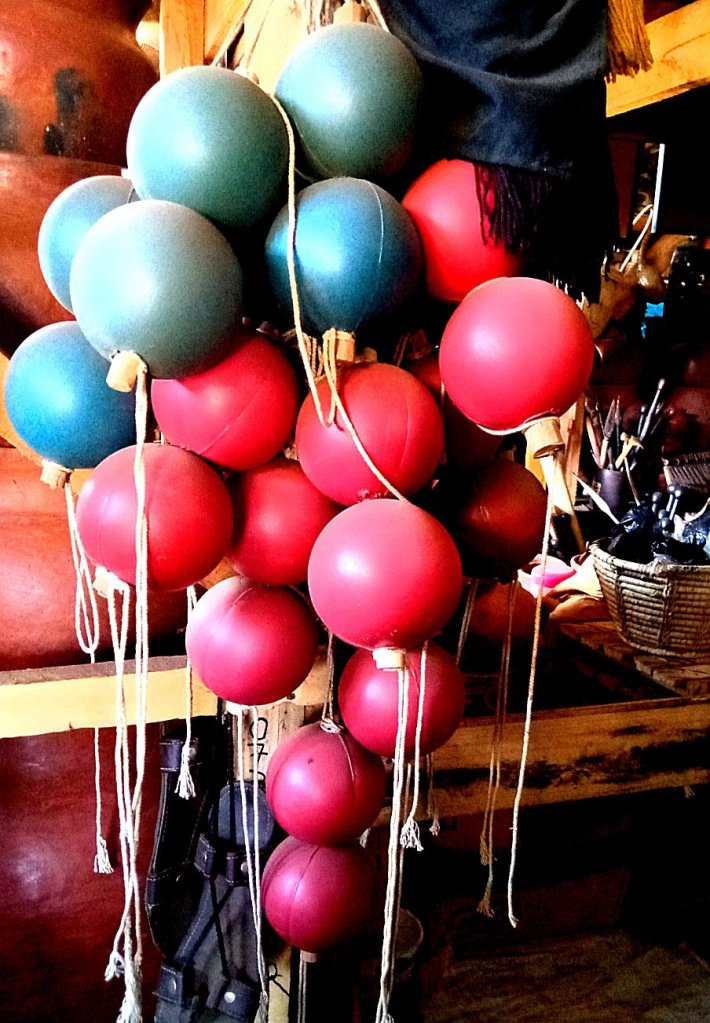
Buzzing, rattling and shaking are important elements of traditional Zimbabwean music making. Some ethnics have a shakers player and some may attach the shaker or buzzer to their instrument or may tie them on their legs, hands or body while dancing or playing and instrument.
The above mentioned accessories are leg rattles that are tied around the ankle to calf/shin area of a dancer. Please note that these rattles can be found in different places and may be shared amongst ethnics due to migration, inter marriages, availability of materials
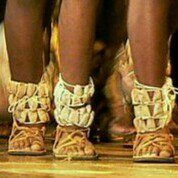
In this video of Amajukwa eNjelele the males have magavhu and women have amahlwayi and one of the males have magavhu staked in threes and coming to towards the shin https://youtu.be/GRH2SDc7AOk
Amahlwayi
Amahlwayi are a strap of small shakers and strings. The small shakers are from a Amahlwayi plant that has pods (Volume 10ml) that are dried. The string is made from either plastic strings from sacks or from Isikusha which is a fibre plant.
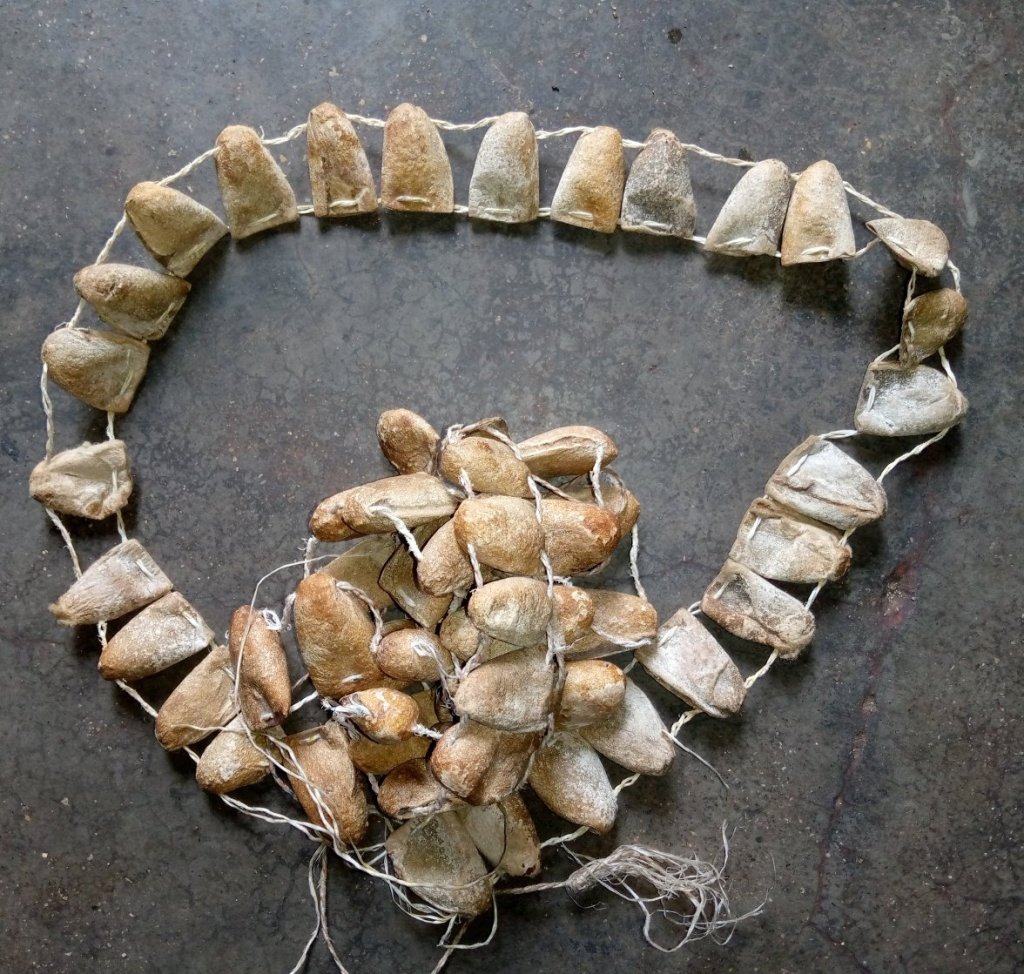
Amahlwayi are very common in Matebeleland and also in Botswana and Parts of South Africa. Some of the dances that Amahlwayi are used include Hosana, Amajukwa, uMdadada, Setapa, Tsutsube
Hosana Dancers with amahlwayi https://youtu.be/Bje5Y00VMgY,
Magavhu
1)Karanga Magavhu
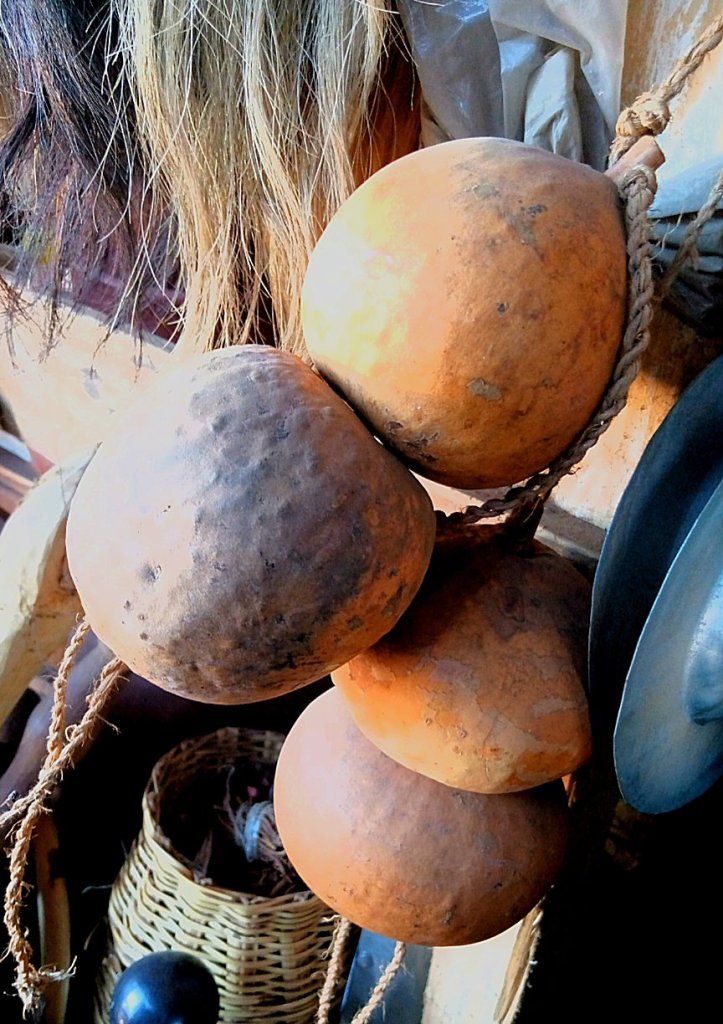
Karanga Magavhu are 2 or 3 round gourds, each having 2 holes and a stick that goes through them and held together by a string that is also the one tied to the leg. Some of the Dances that use Magavhu are Mbakumba, Bira, Mhande
Dancers at Great Zimbabwe using Magavhu https://youtu.be/Pbs80p4-nGM
2)Budja Magavhu
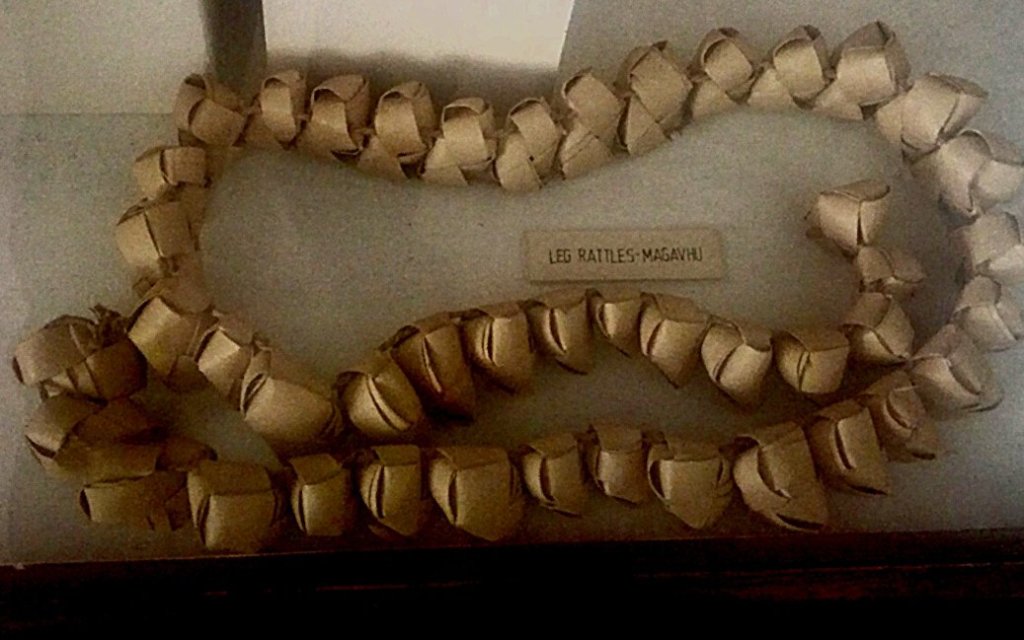
Budja Magavhu are a strap of shackers made from reeds. Tsotsa and Tsawa dancers tie this type of Leg rattle.
Magagada
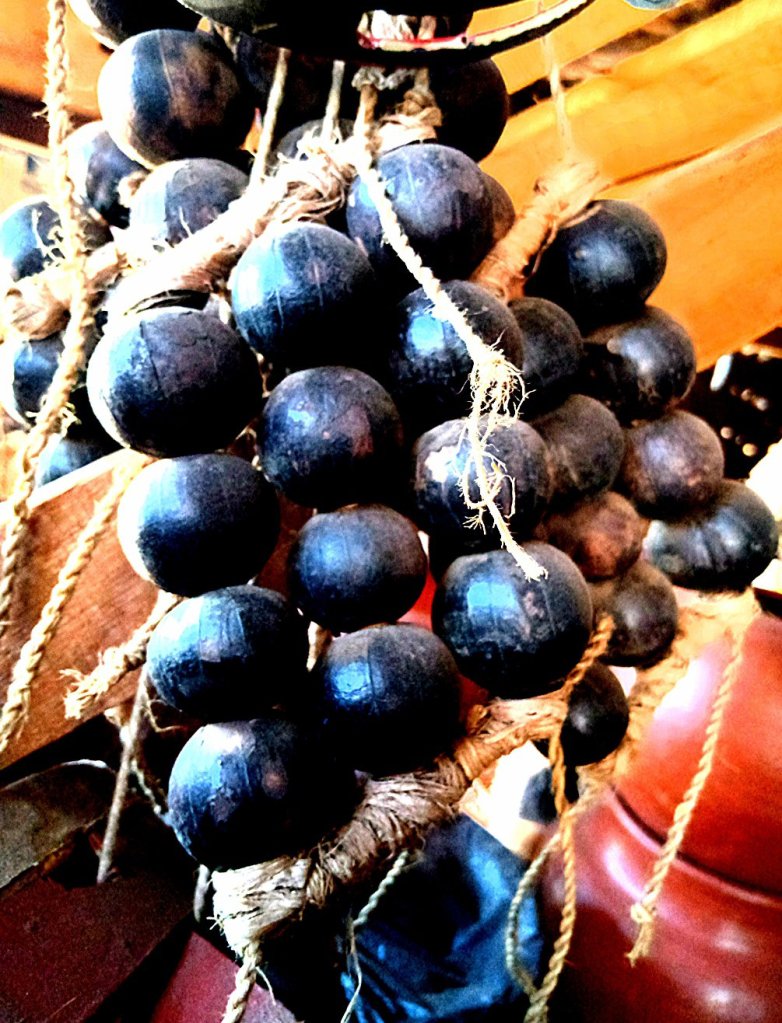
Common in Gokwe, Zhombe Silobela, Nkayi , Nyathi and surrounding areas . The Magagada are made from round black pods each having 2 holes. They are straked into three or fours and can be two, three or four stakes held together by a stick that has reeds or fibre strings tied around it and attached a fibre string for tying to the leg
I have also seen different rattle made from cans, small containers and synthetic strings and these is because of scarcity of traditional materials. The above mentioned are leg rattles that I have seen/used during the course of my career and if I come across more I will definitely share.
Othnell Mangoma Moyo
 Ngoma Music and Dance