By Othnell Mangoma Moyo
Intro
In the rolling granite hills of Matopo once thrived a vibrant tradition of wood carving; an art form born from patience, spirit, and ancestral rhythm. Though it still survives, it now faces quiet decline. This is my reflection on the endangered tradition of Matopo wood carving, and the masters whose hands shaped Zimbabwe’s artistic identity.
Matopo: A Hive of Wood Art
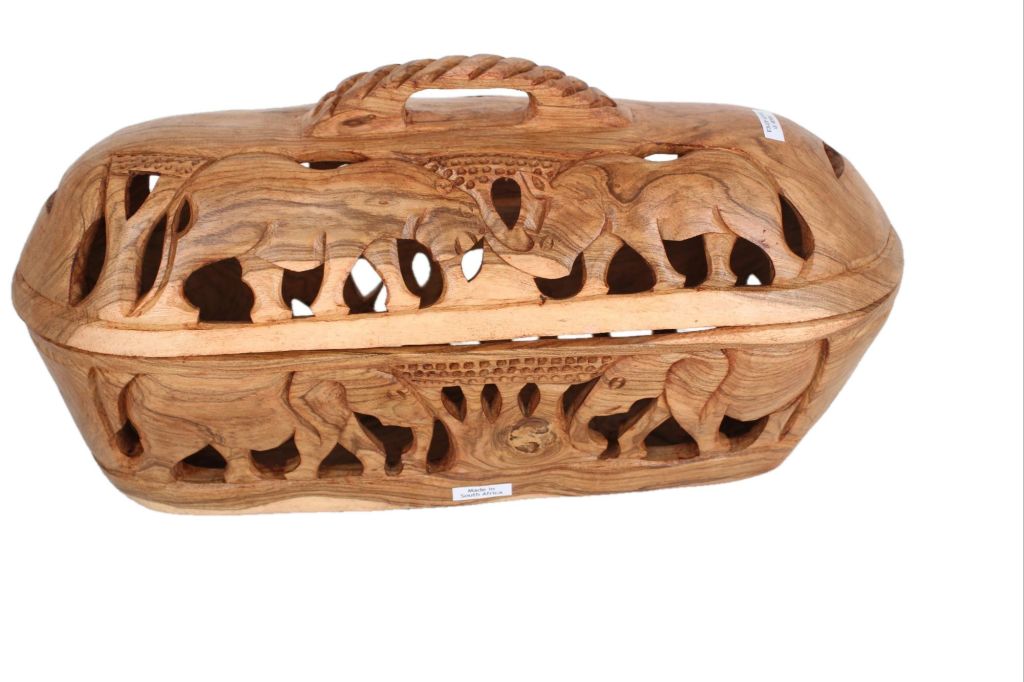
Matopo was once one of the true hives of wood art in Zimbabwe; a living gallery of creativity and cultural depth. Many of those talented artists have since passed on, and their children, who had also mastered the craft, moved to South Africa and Botswana in the early 2000s.
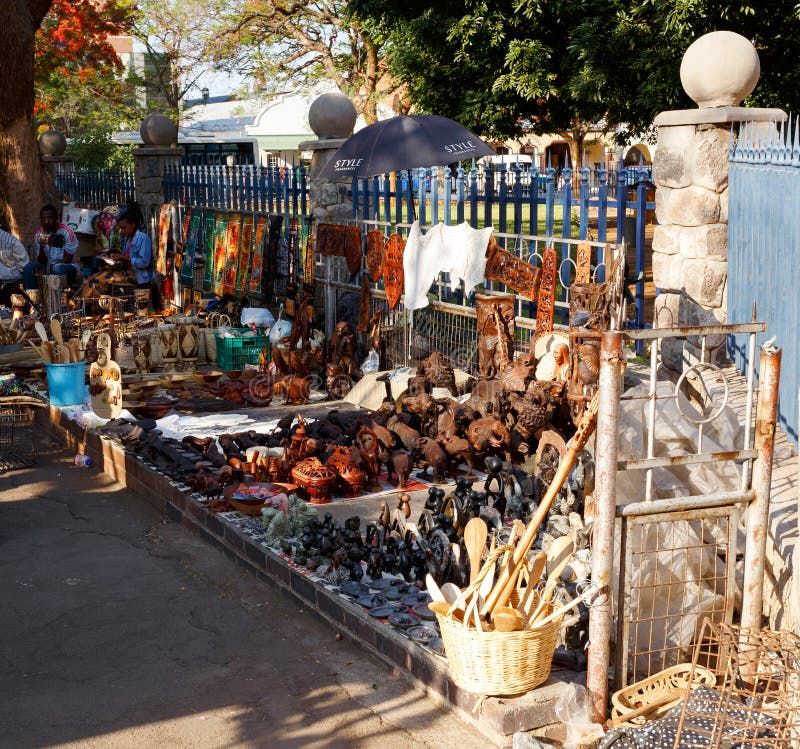
I still remember the beautiful wood carvings that were sold at the Bulawayo City Hall Curio Market before 2000. Across Zimbabwe, artists worked with wood from dead trees that include uMtswiri, uMganu, uMvagazi, uMnkampa, Abandoned, Umvimila, Iminyela, uMkusu woods, shaping it into expressive and spiritual sculptures. I also recall the breathtaking carvings I saw in Victoria Falls in 2003; and the distinct artistic voices from the Tonga, Venda, and the people of Mwenezi, Bubi, and Rutenga. But among them all, my closest connection was always with the wood artists of Matopo.
The Fading Tradition of Pure Art
Today, there are far fewer people who still uphold that timeless Matopo style of carving. Many of those artworks found their way to international markets, yet their creators remained anonymous and underappreciated at home.
It reminds me of the Tradional dancers across Zimbabwe, Traditional instrument players like the Gwenyambiras who are celebrated by scholars and ethnomusicologists but remain unknown to most Zimbabweans. It’s a reminder that pure, soulful art often exists quietly in the shadows, far from the glare of commercial success.
The Matopo carving tradition isn’t gone, it is endangered, still breathing through a handful of committed artists who keep the chisels moving and the spirit alive.
My Journey Into the Villages of Matopo
I remember my first visit to the villages of Matopo. When I arrived at NgiNathisa/Nathisa, the level of wood art I witnessed there was unmatched, i would meet numerous villagers walking caring a hand made chisel workingon an art piece. Everyone spoke with admiration about Mbenji Tshabangu. I would walk nearly four hours to reach his home in Silozwana, where the carvers were even more numerous and skilled than those near the main Bulawayo Maphisa highway.
In 2017, while visiting the Amagugu Heritage Site with Amy Garapic and Mukta Raste, I met Tshimba, Mbenji Tshabangu’s brother from Silozwi. His carvings were among the most intricate and detailed I have ever seen; yet even he insisted that Mbenji’s artistry was greater.
Preserving the Spirit of Matopo Wood Carving
These memories still live vividly in me. The artistry of Matopo: shaped by patience, tradition, and spiritual depth; deserves not only to be remembered but protected. I often wish to revisit what I saw growing up and help revive and sustain that level of craftsmanship.
Zimbabwe’s wood carving tradition tells a story of resilience, identity, and deep connection to the land. Like the roots of the trees from which these artists carved their masterpieces, the legacy of Matopo still runs strong beneath our soil, waiting for a new generation to nurture it back to full life.
Maybe we need a wood carving study camp at Ngoma iNgungu Cultural Arts Center since we already upgeld the Matopo Women hut paintings.
#MatopoArt #ZimbabweCulture #WoodCarving #AfricanArt #EndangeredArt #HeritagePreservation #UmtswiriWood #TraditionalArtists #MatoboHills #ArtRevival #NgomaiNgunguCulturalArtsCenter
 Ngoma Music and Dance